Table of Content
When making any financial decision, you should start by considering the potential effect on your financial health. Your experts at Liberty Bay are here to help you understand HELOCs better by taking a look at how a HELOC could affect your credit score. Closing a HELOC shouldn’t have a great impact on your credit score as long as you have paid off the outstanding principal amount and not defaulted on payment.
The answer to that question rests primarily in how much equity they possess, credit score, and other financial indicators. The conventional wisdom among many lenders stands around 80 percent of the equity in the home. Allegiance Credit Union goes above that by offering 90% Maximum Loan to Value. Borrowers establish a line of credit limit with a lender, and they can withdraw against the amount during a set period of time. Sometimes called the “draw” period, a Home Equity Line of Credit is structured in a way that allows homeowners to spend as they go, within that timeframe. Credit scores took an average 104 days, or about three and a half months after closing on a home equity loan, to reach their lowest point.
Do home equity loans affect your credit score?
The current average 10-year HELOC rate is 5.75%, but within the last 52 weeks, it’s gone as low as 3.96% and as high as 6.62%. On a 20-year HELOC, which has a current average rate of 7.82%, the 52-low is 5.14% and the high is 9.35%. The average mortgage debt is $229,242, per Experian’s most recent State of Credit data. Ensure your spending doesn't get out of control by borrowing an amount of money that's higher than your needs. You may also need somebody — like a parent — to co-sign your line of credit application. That person would be on the hook for your debt if you can't pay it back.
While a home equity loan is also based on the equity you've built in your home, it is an installment loan rather than a revolving line of credit. This means the lender disburses all the funds at once, and you must repay them over the loan term. Home equity loans also typically have a fixed interest rate, but the rate on HELOCs are usually variable.
How a Home Equity Loan Affects Your Credit Rating
The different categories of debt within a consumer’s credit history, such as credit cards and loans, are collectively called a credit mix. If you use a home equity loan to consolidate credit card debt, you’ll eliminate the balances on your revolving credit—and increase your score in the process. When you take out a loan, such as a home equity loan, it shows up as a new credit account on your credit report. New credit affects 10% of your FICO credit score, and a new loan can cause your score to decrease.

If you find that payments on your home equity line of credit stress your finances, here are a few ways you could refinance your HELOC. Note that in this study, we’re broadly referring to both home equity loans and home equity lines of credit as home equity loans. Avoid applying for other types of credit when you apply for a HELOC.
A good score can get you a loan, a better score will mean a lower interest rate
Our editors and reporters thoroughly fact-check editorial content to ensure the information you’re reading is accurate. We maintain a firewall between our advertisers and our editorial team. Our editorial team does not receive direct compensation from our advertisers. The offers that appear on this site are from companies that compensate us. This compensation may impact how and where products appear on this site, including, for example, the order in which they may appear within the listing categories. But this compensation does not influence the information we publish, or the reviews that you see on this site.

A home equity line of credit is different from a home equity loan because a line of credit is a revolving account with a credit limit that indicates how much you can charge against it. Using all your available credit on just one account is an indicator of credit risk—even if all your accounts are still being paid on time. You can have poor credit scores without ever making a late payment because your overall credit use demonstrates high lending risk.
What are some alternatives to HELOCs?
” When it comes to credit scoring, each of the five factors can have an effect, with some adding to your score and others detracting, depending on your overall credit history. If you are approved and receive a home equity line of credit, the amount of credit available, the balance, and your payment history will become part of your credit reports. Alternatively, having a home equity loan is the best choice for those who need a one-time lump sum, without future access to funding.

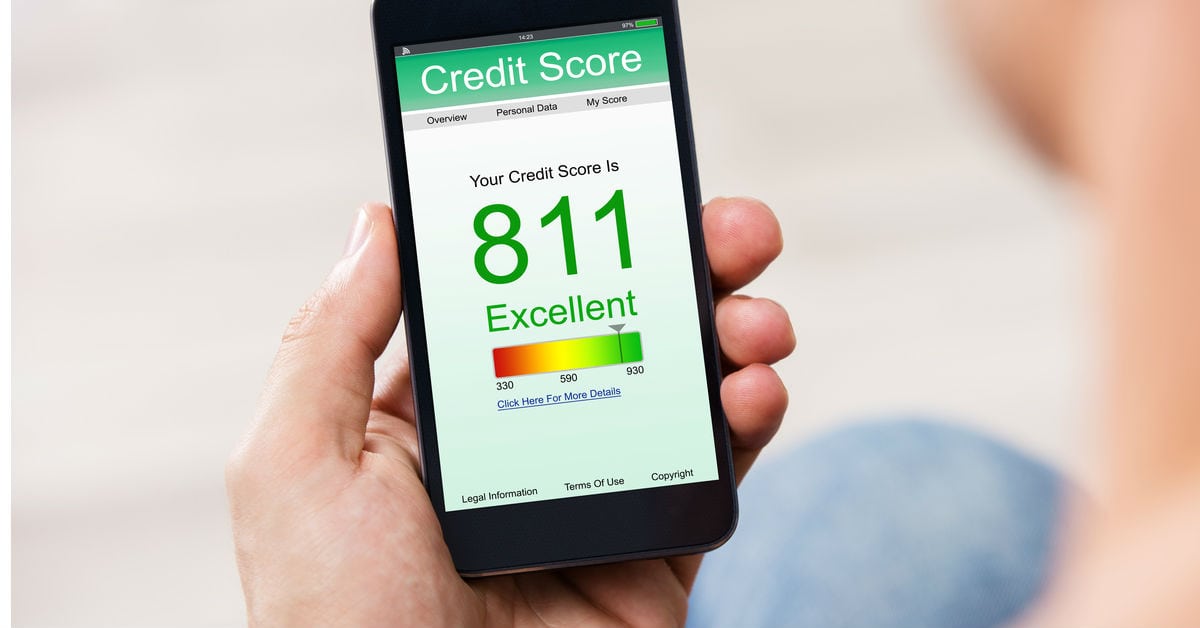
"Even though a HELOC is a form of revolving credit like a credit card, it's treated differently by the credit-scoring algorithm because it's secured by your home," explains Rossman. "It's therefore treated more like an installment loan, such as a mortgage or a car loan." Is a three-digit number that lenders use to evaluate how likely you are to pay back a loan. The FICO score, one of the major credit scoring models, ranges from 300 to 850 and is divided into five tiers from very poor to good , very good and excellent . A credit utilization ratio is the percentage of a borrower’s total credit currently being used.
If you want to finance a big project but you’re not sure exactly how much you need to borrow, a line of credit might benefit you. Learn more about this type of financing below, along with some of its pros and cons. For more factors to consider when rate shopping, review our blog "HELOC Rates Aren't The Only Thing to Watch When Searching for a HELOC."
With such a large gain in equity, many people are considering using home equity loans to finance home improvement projects or pay for medical expenses. By understanding the different ways home equity loans can impact your credit, you can take steps to limit the damage and maintain your credit score. If your credit score is less than desirable, you can fix it yourself. Some companies will offer to repair your credit for a fee, but they aren't doing anything you can't do—calling creditors, removing wrong information from your credit reports, etc. Save yourself the cash and consider ways to improve your credit on your own. Check your credit score to see where you stand when exploring borrowing options.
We do not offer financial advice, advisory or brokerage services, nor do we recommend or advise individuals or to buy or sell particular stocks or securities. Performance information may have changed since the time of publication. Many borrowers use them for home upgrades or repairs, but education costs or other large purchases are also allowed. Don’t forget that the variable interest rate on a HELOC may mean that other forms of financing make more sense. Keep in mind that if you have no credit or bad credit, it may be tough to qualify for a line of credit — especially if you want to avoid higher interest rates.




No comments:
Post a Comment